The global transition toward electrification has placed lithium battery packs at the heart of modern industrial engineering. From large-scale energy storage systems (ESS) to electric vehicle powertrains, these battery packs are pushed to deliver higher energy densities and faster charging speeds than ever before. However, this intense electrical performance generates significant thermal byproducts.
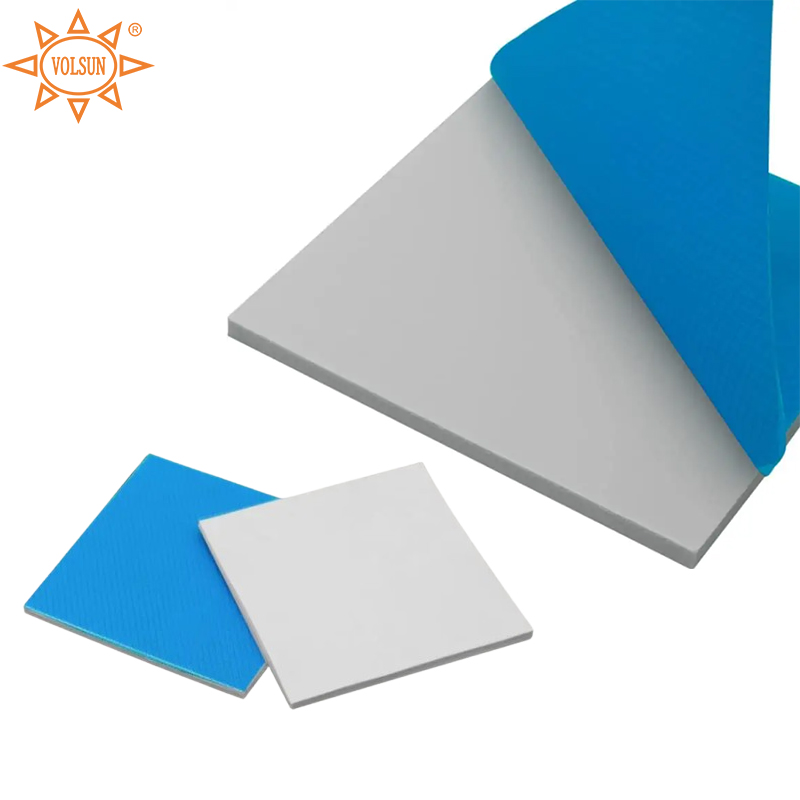
Managing this heat is not just a matter of optimizing performance; it is a critical safety requirement. Without effective thermal dissipation, battery cells can experience localized overheating, leading to reduced lifespan, accelerated capacity fade, or in worst-case scenarios, dangerous thermal runaway. To prevent these risks, engineers rely on high-performance silicone thermal pads as a core line of defense.
The Thermal Demands of Battery Assemblies
A lithium battery pack is a complex assembly of multiple cells, cooling plates, and structural frames. During rapid charge and discharge cycles, the temperature within these dense modules rises unevenly. To maintain efficiency and ensure the longevity of the pack, this heat must be pulled away from the individual cells and transferred into the cooling system as uniformly as possible.
Because battery packs operate in rugged, real-world environments, a qualified thermal interface material must do far more than just conduct heat. It must simultaneously meet a strict combination of electrical, mechanical, and safety standards to survive the operational lifespan of the system.
Engineering Safety with Volsun Solutions
Volsun engineered its high-conductivity interface materials to match these exact battery performance profiles, providing an optimal thermal bridge that addresses three critical safety challenges:
- Elite Flame Retardancy (UL94 V-0): In battery pack design, preventing the spread of fire is paramount. Our silicone thermal pads achieve the highest industry standard of UL94 V-0 flame resistance. This ensures that even under extreme thermal duress, the material will not contribute to or propagate a flame, providing crucial structural protection.
- High Dielectric Insulation: Battery packs handle immense voltage configurations. Our silicone thermal pads act as a robust electrical barrier, featuring a dielectric breakdown voltage of >6kV and a volume resistivity of 1.0 x 10¹² Ω·cm. This prevents high-voltage electrical arcing and short circuits between the cells and the aluminum chassis, keeping the entire system electrically isolated.
- Vibration Dampening and Environmental Resilience: Industrial battery systems are constantly exposed to mechanical shock and vibration. With a soft hardness rating of 45 to 70 Shore OO, these pads absorb physical impacts and cushion delicate cell structures. Furthermore, they maintain their elastic properties across an expansive temperature range of -40C to +200C, guaranteeing stable performance through freezing winters and scorching summers alike.
Optimizing the Thermal Path
For high-drain battery applications, utilizing our VS-GP6001 pad provides a high thermal conductivity of 6.0 W/m·k, allowing engineers to minimize the thermal gradient across the entire module.
In addition, the thermal pad's excellent surface wettability and custom thickness range of 0.5 ~ 5.0 mm allow it to fill every micro-void between the cells and the liquid cooling plates. This eliminates trapped air pockets, lowers interfacial resistance, and ensures uniform cooling across every single cell.
Protect Your Power Investment
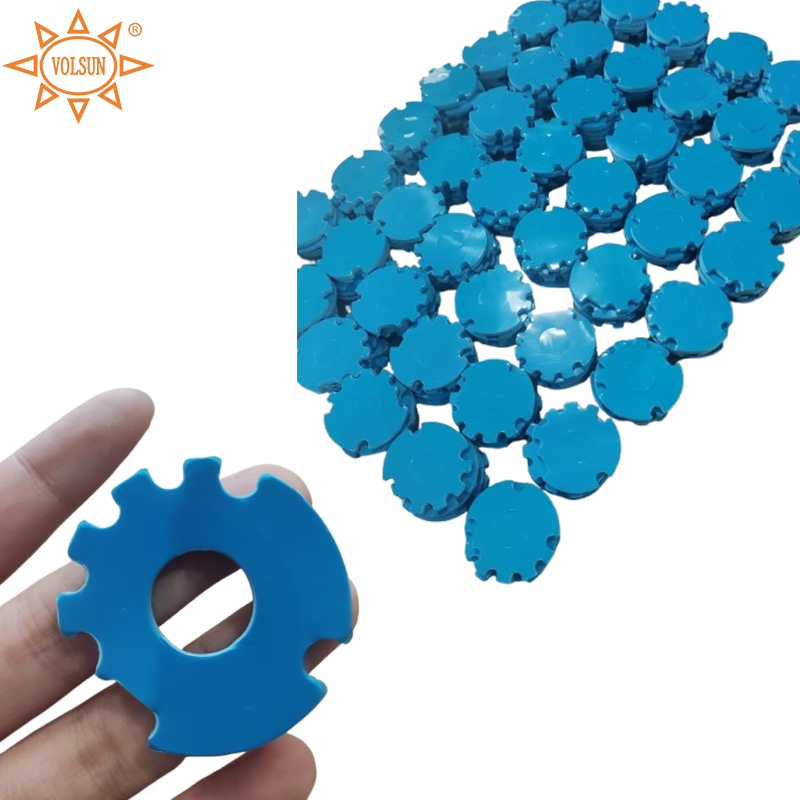
Effective thermal management is the key to unlocking the true potential of modern lithium battery packs. Contact the Volsun engineering team today to explore our custom die-cutting options and secure high-performance samples tailored to your exact module blueprints.
- CONTACT TEL: +86-512-66386808
- SALES CONTACT: volsun2006@szvolsun.com