As electrical systems become more powerful and compact, protecting wires, cables, and critical components has become increasingly important. Excessive heat, abrasion, vibration, and electrical stress can shorten equipment life and increase the risk of system failure.
This is where fiberglass sleeving plays a vital role.
Widely used across industries such as electric vehicles, power distribution, industrial automation, and transportation, fiberglass sleeving provides an effective layer of insulation and mechanical protection that helps improve both safety and long-term reliability.
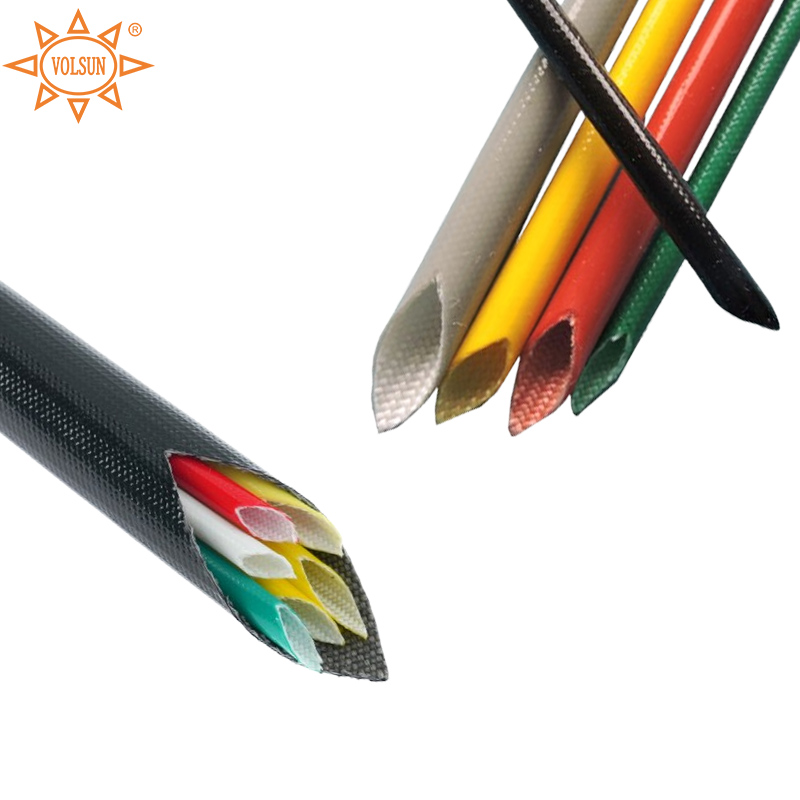
What Is Fiberglass Sleeving?
Fiberglass sleeving is a protective tubular material manufactured from woven fiberglass yarns and often coated with specialized resins or silicone materials. It is designed to insulate electrical conductors while protecting them from harsh environmental conditions.
Compared with conventional plastic tubing, fiberglass sleeving offers significantly higher temperature resistance and superior durability, making it suitable for demanding industrial applications. Depending on the application requirements, fiberglass sleeving can be used to protect wiring harnesses, motor windings, transformers, generators, battery systems, and various electrical assemblies.
Why Is Electrical Protection So Important?
Modern equipment operates under increasingly challenging conditions. In electric motors and power systems, cables are frequently exposed to elevated temperatures, continuous vibration, moisture, and contaminants.
Without proper protection, insulation materials may deteriorate over time, leading to:
- Electrical leakage
- Short circuits
- Equipment downtime
- Increased maintenance costs
- Reduced system lifespan
- Key Performance Advantages of Fiberglass Sleeving
- High Temperature Resistance
- Excellent Electrical Insulation
- Flame Retardant Performance
- Mechanical Protection
- Common Applications Across Industries
- Electric Vehicles
- Power Generation and Distribution
- Industrial Automation
- Rail Transit and Transportation
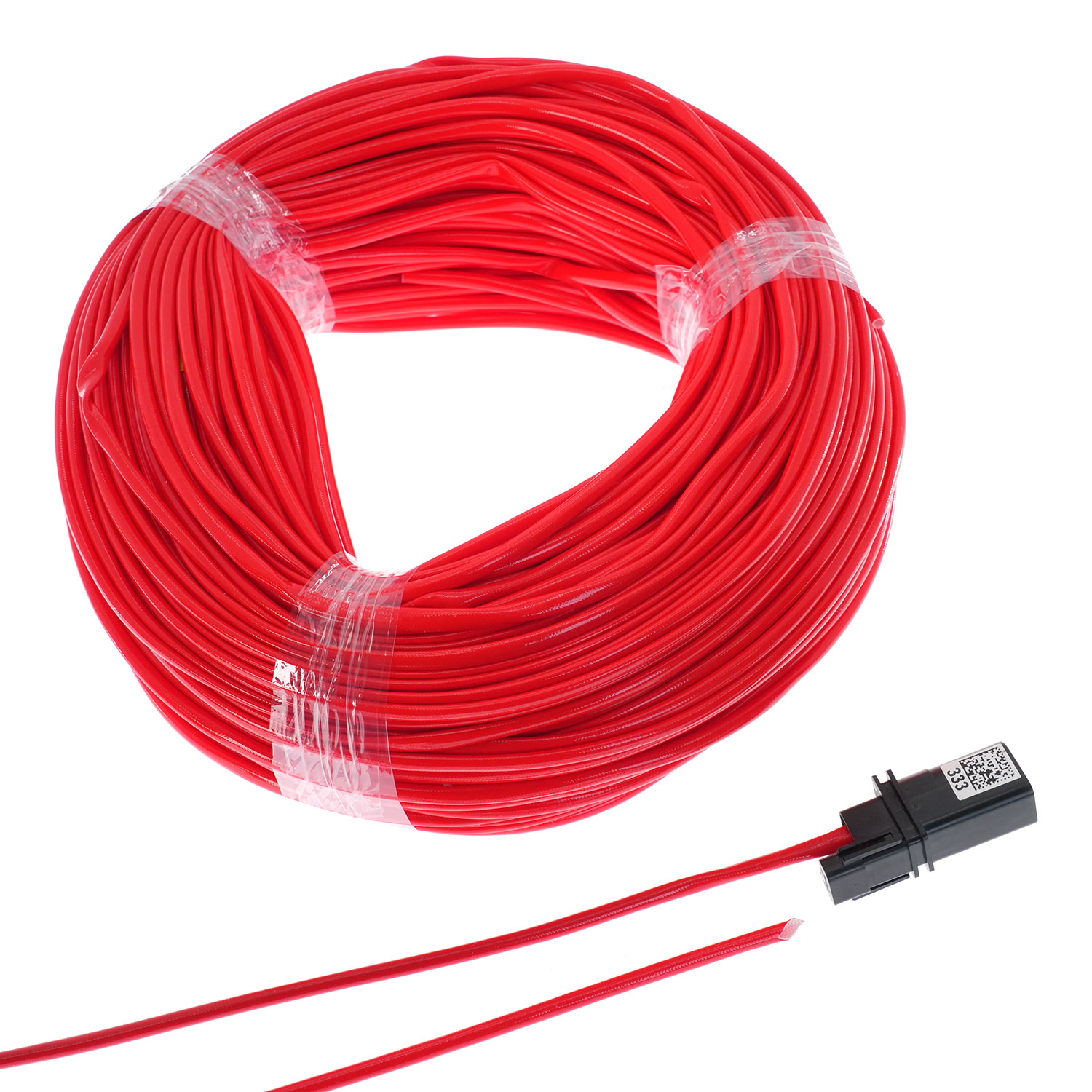
Helps improve system reliability in environments subject to constant vibration and changing temperatures.
How to Choose the Right Fiberglass Sleeving
Selecting the appropriate fiberglass sleeving requires evaluating several factors, including operating temperature, voltage requirements, environmental conditions, flexibility, and mechanical protection needs.
Working with an experienced manufacturer can help ensure the material matches the specific requirements of the application, avoiding both over-engineering and under-protection.
A Reliable Fiberglass Sleeving Partner
For manufacturers seeking long-term performance and dependable quality, supplier expertise is just as important as product specifications.
With nearly two decades of experience in advanced insulation materials, Volsun provides fiberglass sleeving solutions designed for demanding industrial environments. Supported by strong R&D capabilities, international certifications, strict quality control systems, and flexible customization services, Volsun helps customers improve equipment safety, reliability, and operational efficiency.
As industries continue to demand higher performance from electrical systems, choosing the right insulation solution today can help prevent costly failures tomorrow.
- CONTACT TEL: +86-512-66386808
- SALES CONTACT: volsun2006@szvolsun.com