As photovoltaic systems continue to expand worldwide, protecting electrical connections has become an important part of ensuring long-term system reliability. MC4 connectors are widely used in solar installations due to their proven performance and ease of assembly. However, in challenging outdoor environments, many project owners and EPC contractors choose to add an extra layer of protection using silicone cold shrink tubes.
Selecting the correct cold shrink tube for an MC4 connector is essential. An improperly sized tube may not provide sufficient sealing, while an oversized product may not deliver the desired environmental protection.
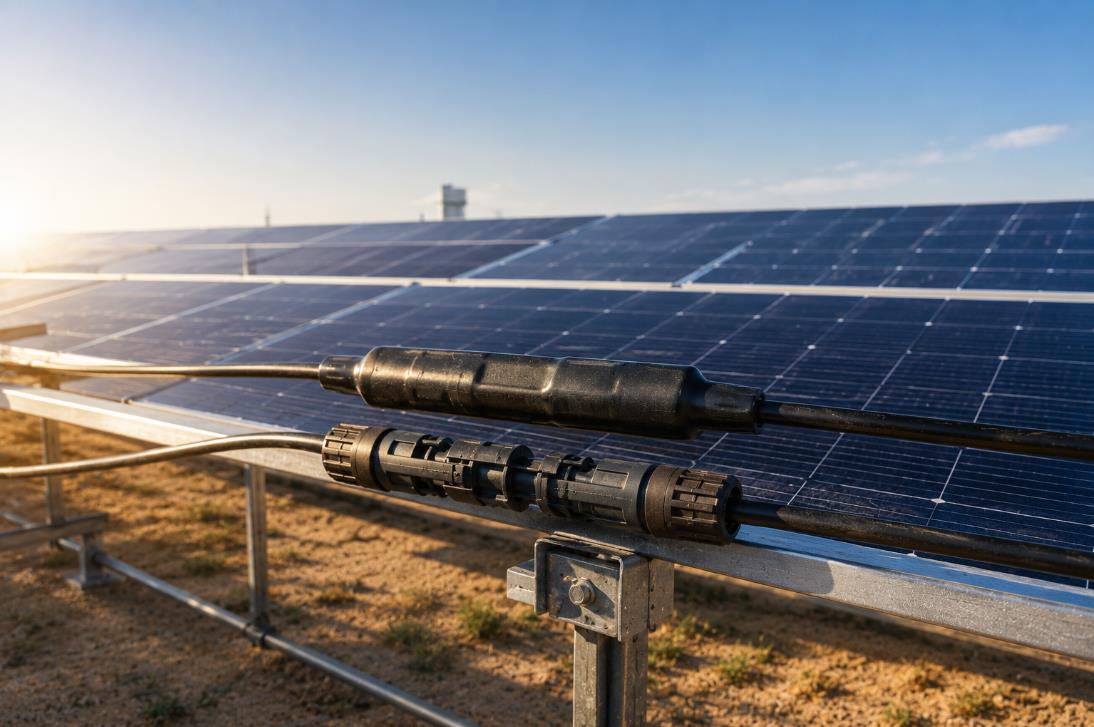
Why Use a Cold Shrink Tube on an MC4 Connector?
Although standard MC4 connectors already include sealing components, some solar projects operate in environments where additional protection is beneficial.
Examples include:
* Coastal solar farms exposed to salt spray
* Desert installations with dust and sand
* High-humidity regions with frequent rainfall
* Rooftop PV systems exposed to long-term UV radiation
A silicone cold shrink tube can provide an additional sealing layer around the connector and cable interface, helping improve protection against water ingress, contamination, and environmental aging.
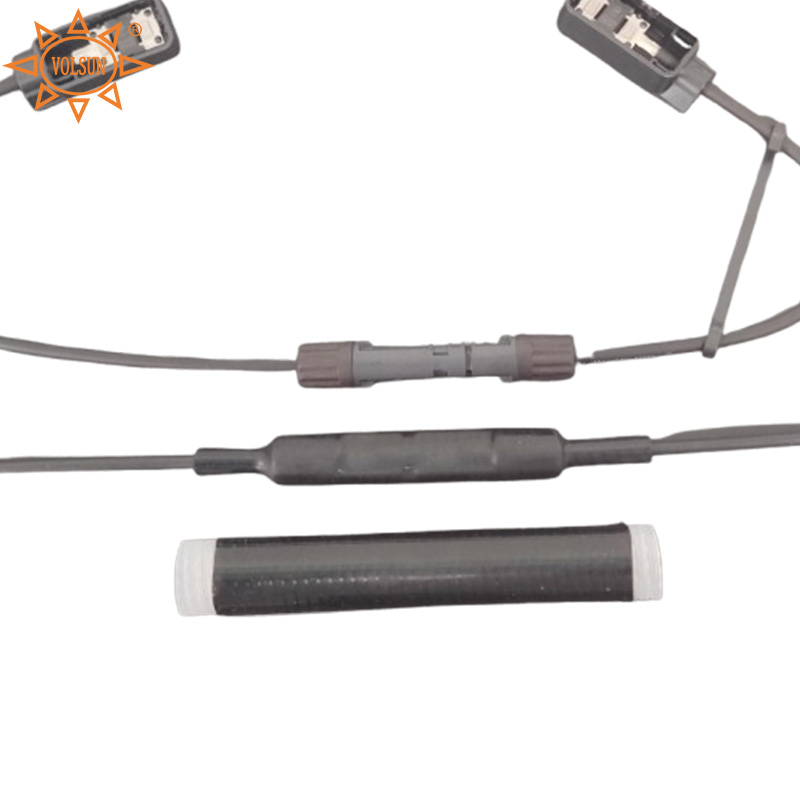
Step 1: Measure the Largest Diameter of the Connector Assembly
The first step is identifying the maximum outer diameter of the connector section that the tube must pass over during installation. This measurement is critical because the cold shrink tube must expand sufficiently to fit over the connector while still maintaining adequate recovery force after installation.
Step 2: Measure the Solar Cable Diameter
The second key dimension is the outside diameter of the photovoltaic cable. Most solar systems use cable sizes such as:
* 4 mm² PV cable
* 6 mm² PV cable
* 10 mm² PV cable
Different cable constructions may have different outer diameters even when the conductor size is identical. The cold shrink tube should be capable of shrinking tightly onto the cable jacket to create a reliable environmental seal.
Step 3: Verify the Cold Shrink Tube Shrink Range
Every cold shrink tube has a recommended application range. When reviewing specifications, ensure that:
* The maximum expansion size accommodates the MC4 connector.
* The minimum recovery size seals tightly around the cable.
Step 4: Determine the Required Waterproof Protection Level
Many photovoltaic projects specify waterproof performance requirements during the design stage. For outdoor connector protection, IP68 sealing is often preferred because it provides excellent resistance to water and dust ingress. When selecting a cold shrink tube, verify that the material and installation method are suitable for achieving the desired protection level.
Step 5: Check the Tube Length
Length is another factor that is sometimes overlooked. The cold shrink tube should cover:
* The connector interface
* The cable entry area
* Any section requiring additional environmental protection
Step 6: Consult the Manufacturer for Application Recommendations
When working on utility-scale projects or customized connector designs, consulting the manufacturer can help avoid selection errors.
Providing the following information is often helpful:
- Connector model
- Cable size
- Outer diameter measurements
- Installation environment
- Waterproofing requirements
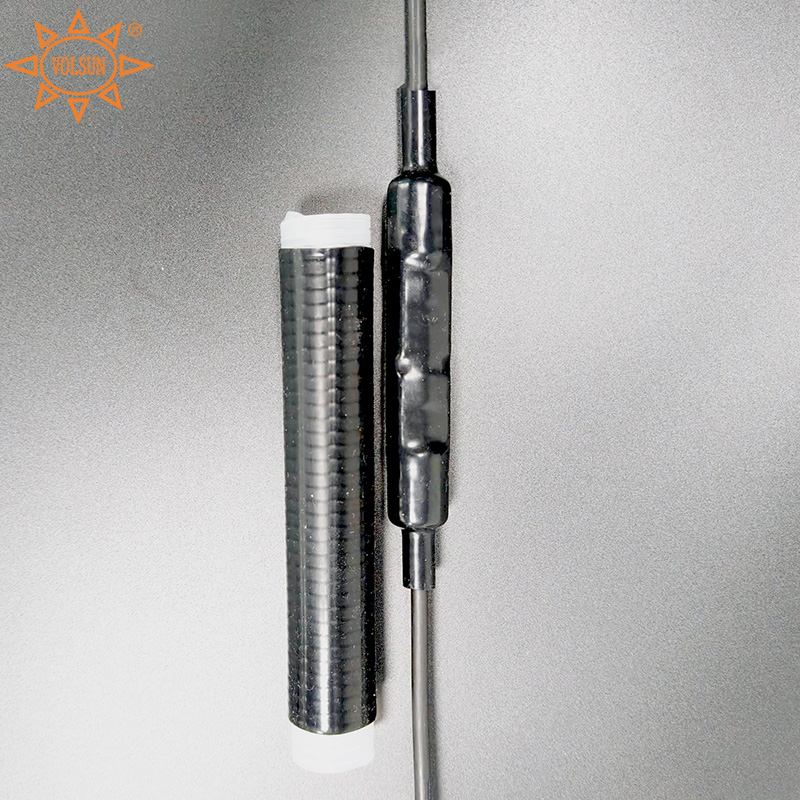
Choosing the right cold shrink tube for an MC4 connector involves more than simply matching a cable size. Connector dimensions, shrink range, environmental conditions, waterproof requirements, and material properties all play important roles in achieving reliable protection.
- CONTACT TEL: +86-512-66386808
- SALES CONTACT: volsun2006@szvolsun.com