When securing outdoor 5G telecom towers or underground utility cables, reliable weatherproofing is critical. Moisture ingress is one of the leading causes of signal loss and electrical failure.
While traditional heat shrink tubing requires torches or heat guns—creating safety risks and uneven shrinkage—cold shrink tubing slides easily over the cable and shrinks automatically as you pull out the plastic core.
However, engineers and procurement managers often face a key question: Should you choose EPDM or Silicone cold shrink tubing? Here is a practical, direct comparison to help you specify the right material for your project.
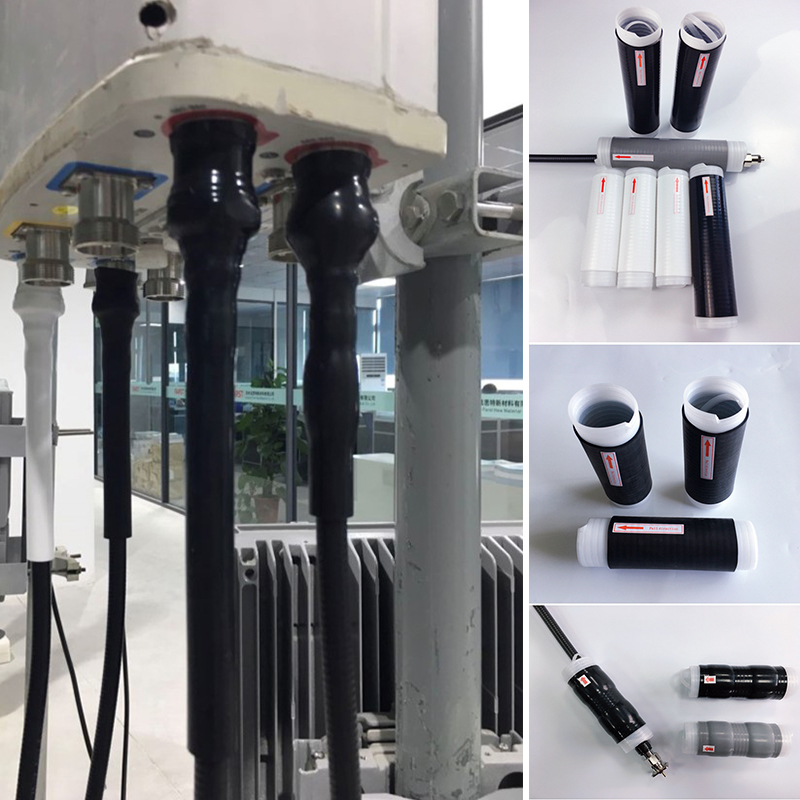
What Is the Difference Between EPDM and Silicone?
Both materials offer "elastic memory," meaning they exert active radial pressure to create a tight, watertight seal (IP68) even as cables expand and contract with temperature swings. Their performance differences stem from their material chemistry:
- Silicone Rubber: Silicone delivers superior thermal stability and exceptional resistance to ultraviolet (UV) radiation and ozone.
- EPDM Rubber: EPDM provides outstanding mechanical strength, abrasion resistance, and toughness against rough handling.
When to Choose Silicone Cold Shrink Tubing
Silicone is the preferred industry standard for outdoor, overhead, and exposed installations:
- 5G Base Stations & Wireless Telecom: Perfect for sealing antenna interfaces, remote radio units (RRUs), and 4.3-10 or 7/16 DIN RF jumper cables exposed to baking sunlight and driving rain.
- Extreme Climates: From freezing sub-zero winters to desert heat, silicone will not harden, crack, or chalk under intense solar radiation.
- High Expansion Ratios: Silicone stretches further without splitting, easily bridging transitions between thick connector bodies and thinner cable jackets.
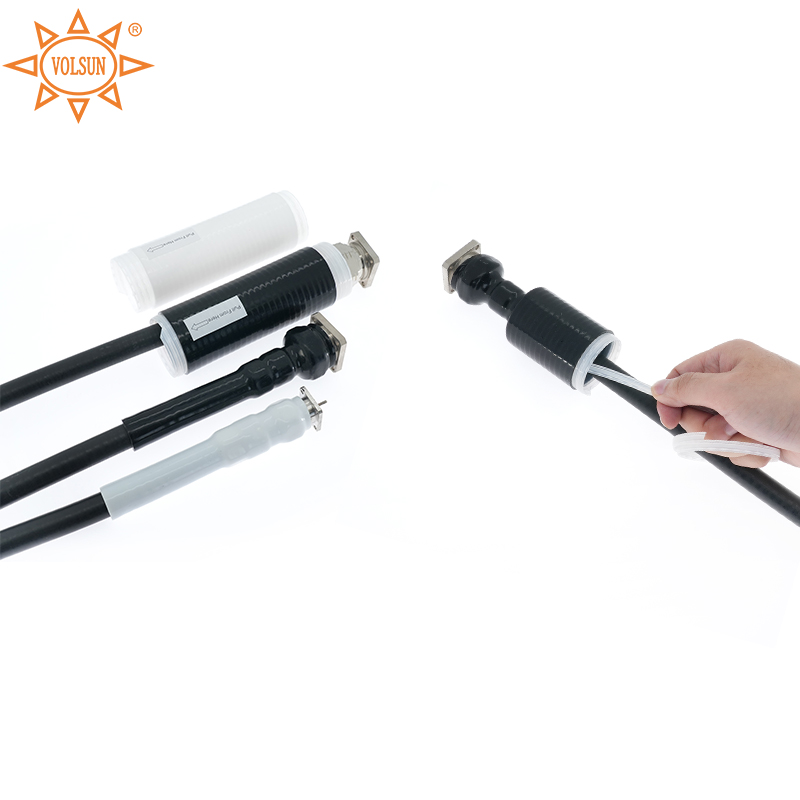
When to Choose EPDM Cold Shrink Tubing
EPDM is the workhorse for industrial plants and direct-buried environments:
- Underground Power Cables: EPDM’s tough outer surface withstands the friction and puncture risks of rocky soil and gravel backfill.
- Chemical & Industrial Environments: Offers strong resistance to common acids, alkalis, and ground pollutants found in utility trenches and chemical processing plants.
- Cost-Effective Power Distribution: Provides an economical, durable solution for medium-voltage utility joints and indoor electrical switchgear.
The Bottom Line
- Choose Silicone if your cables face intense sunlight, high outdoor temperatures, or 5G tower winds.
- Choose EPDM if your cables are buried underground, pulled through conduits, or exposed to mechanical wear and chemicals.
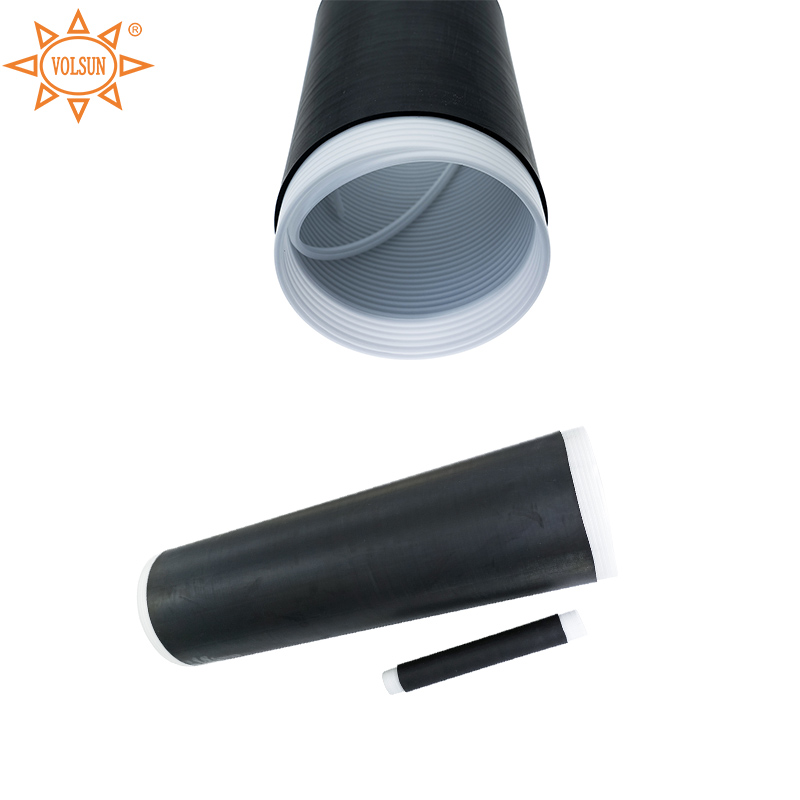
Need custom sizes or technical datasheets?
Explore VOLSUN's full range of factory-tested EPDM and Silicone cold shrink tubes at www.coldshrinktubing.com or reach out to our engineering team for sample kits.
FAQ:
Q1: Can EPDM cold shrink tubing be used on outdoor telecom towers?
A: It is not recommended for long-term direct exposure. While EPDM handles basic weather, intense solar UV and ozone will cause surface chalking over time. Use Silicone for outdoor 5G antennas and tower jumpers.
Q2: Why choose cold shrink over heat shrink tubing?
A: Cold shrink requires no open flames or torches, installs in 15–30 seconds, and maintains continuous active pressure that expands and contracts with cable thermal cycles—preventing air gaps.
Q3: How does cold shrink tubing achieve an IP68 waterproof rating?
A: Through active radial compression. The pre-stretched elastomer exerts constant clamping pressure around the cable. Versions with built-in internal mastic seals (like the VOLSUN KC97) fill micro-grooves to block water even under immersion.
Q4: Can Silicone cold shrink be used for direct-buried underground cables?
A: No. Silicone lacks the mechanical puncture resistance needed to survive rocky soil backfill and ground compaction. Use EPDM, which offers much higher tear strength and abrasion resistance.
Q5: What is the shelf life of cold shrink tubing before installation?
A: Typically 2 to 3 years when stored in a cool, dry place below 40°C. Storing it longer or in high heat can reduce the core's tension and the tube's elastic recovery power.
- CONTACT TEL: +86-512-66386808
- SALES CONTACT: volsun2006@szvolsun.com