When it comes to cable protection and electrical insulation, a reliable sealing solution needs to perform well not only during installation but also throughout long-term service. Cold shrink tube is designed for this purpose. Unlike heat shrink tubing, it requires no heat gun, open flame, or special heating tools. By using the elastic memory of rubber, the tube contracts tightly around the cable or connector after the removable support core is pulled out.
Volsun develops a range of cold shrink tubing solutions for communication, power, and other electrical applications. The product portfolio covers silicone rubber and EPDM cold shrink tubes, as well as specialized products for waterproofing, cable branching, cable ends, and vibration-prone environments.
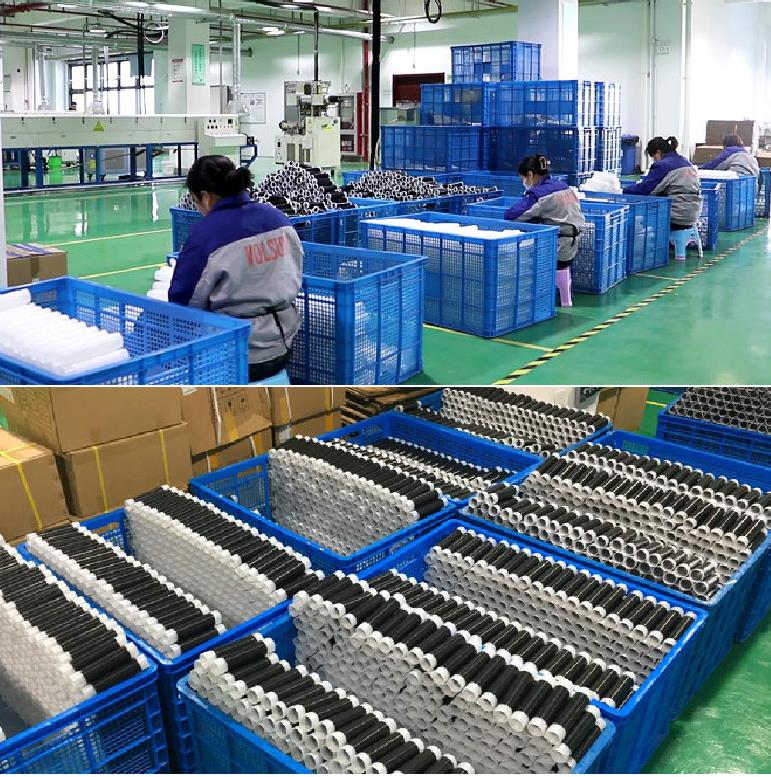
Silicone or EPDM Cold Shrink Tube: Which One Should You Choose?
The material is one of the most important factors when selecting a cold shrink tube.
Silicone cold shrink tube is known for its wide operating temperature range, excellent electrical insulation, high elasticity, and strong weather resistance. Volsun silicone rubber tubes can operate from -60°C to +200°C, with a shrink ratio of up to approximately 5:1. These properties make them especially suitable for communication base stations, CATV connections, precision electronics, and other applications where flexible sealing and high-temperature performance are important.
For more demanding cable protection environments, EPDM cold shrink tube provides another practical option. It offers strong resistance to weathering, acids, alkalis, abrasion, and puncture. With an operating temperature range of approximately -40°C to +150°C, EPDM tubing is widely suited to medium- and low-voltage power cables, outdoor installations, buried cables, and underwater applications.
Cold Shrink Tubes Designed for Different Challenges
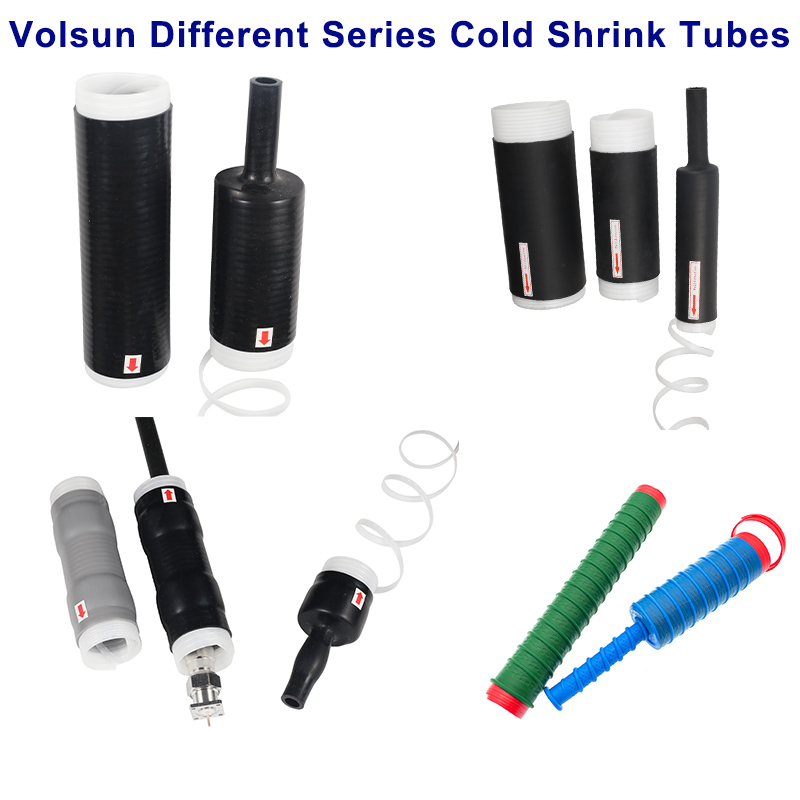
Not every cable connection has the same protection requirements. Volsun therefore offers several structural options to address specific installation conditions.
For communication connectors installed in compact spaces, silicone cold shrink tube with built-in mastic combines the elastic sealing force of silicone rubber with mastic sealing at both ends. This helps create a tight waterproof seal around connectors such as 1/2" N-type, 1/2" DIN, and CATV connectors.
In applications exposed to vibration or tensile stress, an anti-slip cold shrink tube with a specially designed inner pattern can increase friction against the cable surface and help prevent movement or loosening.
Volsun also provides cold shrink boots for multi-core cable branches and cold shrink end caps for cable-end insulation and sealing. These accessories extend the protection solution beyond straight cable connections.
How to Select the Right Cold Shrink Tube?
The best cold shrink tube depends on the cable, installation environment, and sealing requirements.
For 5G base stations and CATV connections, a high-ratio silicone cold shrink tube is a suitable choice when flexibility, weather resistance, and reliable sealing are required.
For medium- and low-voltage power cables, EPDM cold shrink tubing is a practical option where abrasion, chemical, outdoor, or underground resistance is important.
For tight connector spaces, a silicone tube with built-in mastic can provide additional sealing reliability. For vibration-prone equipment, an anti-slip design can help maintain a stable seal.
From standard cold shrink tubes to specialized boots and end caps, Volsun provides a complete range of cable sealing and insulation protection solutions for communication and power applications. By combining elastic memory, tool-free installation, and material options for different environments, Volsun cold shrink products help simplify installation while providing reliable long-term protection for critical cable connections.
- CONTACT TEL: +86-512-66386808
- SALES CONTACT: volsun2006@szvolsun.com